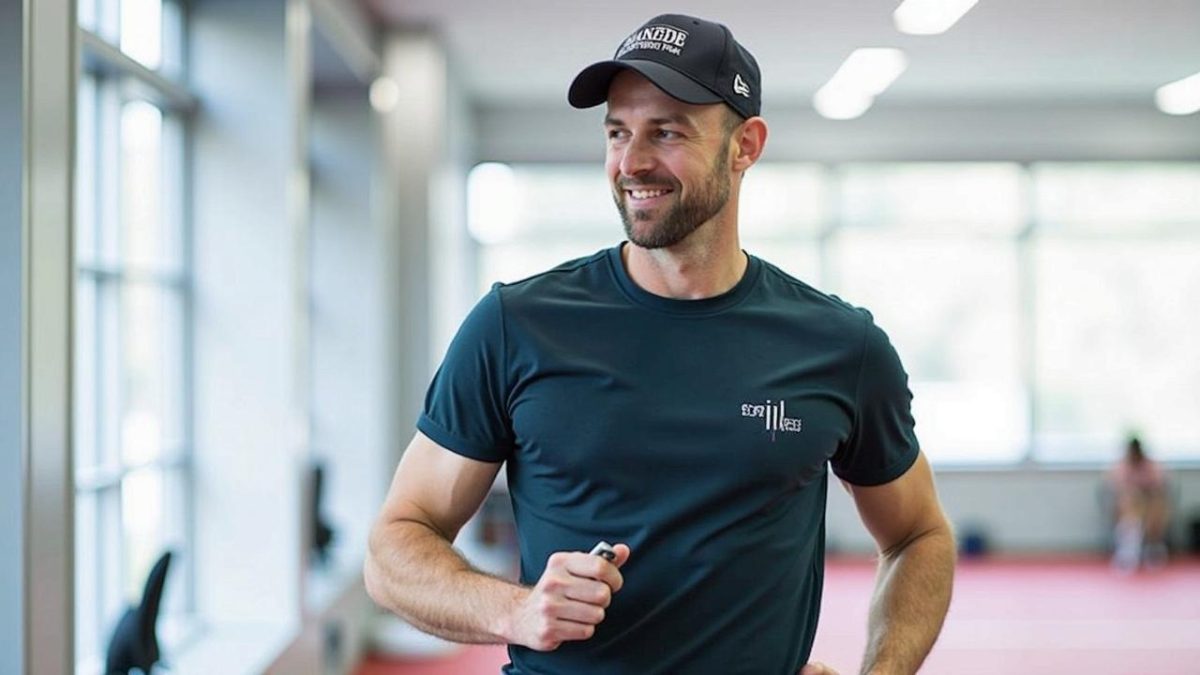
It’s 6:12 a.m. on a Tuesday, and the gym is alive with the hum of fluorescent lights and the rhythmic calls of a coach barking out split times. For one athlete, this should be her moment to shine – she’s trained harder than ever before. But as she pushes through the exhausting workout, something feels off. Her muscles don’t seem to be firing on all cylinders, and her mind is clouded with fatigue. Could it be that the key to her athletic performance lies not in the gym, but in her bedroom?
The connection between sleep quality and athletic achievement is a topic that has gained increasing attention in the sports world. Coaches and trainers are recognizing that a good night’s rest can be just as crucial to success as grueling practice sessions or carefully crafted nutrition plans. For athletes striving to reach their full potential, the quality of their slumber may be the unsung hero that makes all the difference.
The Surprising Impact of Sleep on Athletic Performance
It’s no secret that sleep is essential for the human body to function at its best. But the ways in which poor sleep can undermine athletic performance may come as a surprise. During the sleep cycle, the body undergoes a series of restorative processes that are vital for muscle recovery, hormone regulation, and cognitive function.
When an athlete doesn’t get enough quality sleep, these critical processes are disrupted. Muscle repair and growth can be impaired, leading to slower recovery times and increased risk of injury. Hormonal imbalances can also occur, affecting factors like energy levels, mood, and even weight management.
Perhaps most significantly, sleep deprivation can have a profound impact on an athlete’s mental sharpness and decision-making abilities. “Sleep is essential for maintaining cognitive performance, reaction time, and decision-making,” explains Dr. Matthew Walker, a neuroscientist and sleep expert. “When an athlete is sleep-deprived, they’re essentially performing with one hand tied behind their back.”
What’s Happening Inside the Body?
To understand the connection between sleep and athletic performance, it’s helpful to take a closer look at the physiological processes that occur during sleep. During the various stages of the sleep cycle, the body undergoes a series of crucial restorative functions.
One of the most important is the release of growth hormone, which plays a vital role in muscle repair and recovery. “Growth hormone is released in pulses during the deep, slow-wave stages of sleep,” explains Dr. Cheri Mah, a sleep researcher at the University of California, San Francisco. “This hormone helps facilitate the repair and rebuilding of muscle tissue that’s broken down during intense exercise.”
Sleep also plays a key role in regulating the body’s hormonal balance. Levels of hormones like testosterone, cortisol, and insulin can all be disrupted by poor sleep, with cascading effects on energy, metabolism, and recovery. “When an athlete doesn’t get enough high-quality sleep, it can lead to a hormonal imbalance that negatively impacts their performance,” says Dr. Mah.
- ➡Mit 71 hat sie aufgehört, um die Anerkennung ihrer Kinder zu kämpfen
- ➡Neue Krebswarnung aus der Kanalisation: Wie Abwasser Darmtumoren im Viertel verraten könnte
- ➡Diese einfache Balkonblume lockt massenhaft Bienen an – fast ohne Pflege
- ➡Vergessener Kraftstrauch: Warum schwarzer Holunder 2026 unsere Gärten erobert
What Are Coaches Telling Their Athletes?
As the science behind the sleep-performance connection has become more clear, coaches and trainers are taking steps to prioritize sleep as a key component of their athletes’ overall training and recovery regimen.
“We used to just focus on the physical aspects of training – the workouts, the nutrition, the technique,” says John Kessel, the director of sport development for USA Volleyball. “But now we’re really emphasizing the importance of sleep and making sure our athletes are getting the rest they need.”
Many top-level coaches are incorporating specific sleep recommendations and strategies into their training programs. Some provide sleep trackers or recommend sleep hygiene practices like avoiding screens before bed and maintaining a consistent sleep schedule. Others even go so far as to mandate minimum sleep requirements for their athletes.
Sleep as a Team Sport
In an era of ever-increasing demands on elite athletes, the importance of sleep is becoming a shared responsibility – one that extends beyond the individual to the entire coaching staff and support team.
- ➡Schlaflos? Mit diesen einfachen Strategien besiegen Sie die Insonnie
- ➡Oster-Schokolade viel günstiger: Ab diesem Datum sinken die Preise drastisch
- ➡Ich habe mein Fitnessstudio gekündigt und diese zehn Übungen zu Hause reichen völlig aus
- ➡Rätselhaftes Weltraumobjekt sendet alle 36 Minuten Signal – und verschwindet dann spurlos
“It’s not just about the athlete themselves getting enough sleep,” says Dr. Walker. “It’s about the whole ecosystem around that athlete – the coaches, the trainers, the nutritionists – working together to create an environment that prioritizes and facilitates quality sleep.”
This collaborative approach is becoming more common, as coaches and support staff recognize that sleep is a crucial piece of the puzzle when it comes to optimizing athletic performance. By working together to ensure their athletes are getting the rest they need, they’re giving them the best chance to reach their full potential.
The Rise of Sleep Science in Sports
The growing emphasis on sleep in the sports world is being driven in part by the rapid advancement of sleep science research. As new studies continue to shed light on the intricate relationship between sleep and physical and cognitive function, coaches and trainers are taking note.
“The scientific evidence on the importance of sleep for athletic performance is really compelling,” says Dr. Mah. “We’re now seeing more and more sports teams and organizations investing in sleep monitoring and education programs to help their athletes optimize their sleep.”
This shift towards a more holistic, science-based approach to training and recovery is having a tangible impact on the world of sports. Athletes who prioritize sleep are not only reporting improved performance, but also better overall health and well-being.
The Path to Peak Performance
For athletes striving to reach the pinnacle of their sport, the key to unlocking their full potential may lie not in the gym, but in the bedroom. By prioritizing quality sleep and incorporating proven sleep strategies into their training regimen, they can give themselves a crucial edge over the competition.
As the sports world continues to embrace the science of sleep, we’re likely to see more and more athletes and teams reaping the benefits of this often-overlooked aspect of performance optimization. For those willing to make sleep a priority, the rewards could be truly game-changing.
| Sleep Quantity Recommendations for Athletes | Sleep Quality Recommendations for Athletes |
|---|---|
|
|
- ➡Diese März-Blume schenkt dir monatelange Blütenpracht ohne Stress
- ➡Comeback an der Decke: Warum Holz jetzt wieder richtig angesagt ist
- ➡Französische Traumküste vor dem Kipppunkt: In dieser Stadt wird der Alltag bis 2030 zum Risiko
- ➡Warum moderates Krafttraining nach 60 auch das Gedächtnis positiv beeinflussen kann
| The Impact of Sleep Deprivation on Athletic Performance | The Benefits of Optimal Sleep for Athletes |
|---|---|
|
|
“Sleep is essential for maintaining cognitive performance, reaction time, and decision-making. When an athlete is sleep-deprived, they’re essentially performing with one hand tied behind their back.”
– Dr. Matthew Walker, Neuroscientist and Sleep Expert
“We used to just focus on the physical aspects of training – the workouts, the nutrition, the technique. But now we’re really emphasizing the importance of sleep and making sure our athletes are getting the rest they need.”
– John Kessel, Director of Sport Development, USA Volleyball
“The scientific evidence on the importance of sleep for athletic performance is really compelling. We’re now seeing more and more sports teams and organizations investing in sleep monitoring and education programs to help their athletes optimize their sleep.”
– Dr. Cheri Mah, Sleep Researcher, University of California, San Francisco
Sleep may be the unsung hero of athletic performance, but its importance is finally being recognized in the sports world. By prioritizing quality sleep and incorporating proven sleep strategies into their training regimen, athletes can give themselves a crucial edge over the competition – and set themselves on the path to peak performance.
How much sleep do elite athletes need?
The recommended sleep quantity for elite athletes is typically 7-9 hours per night for adults, 9-11 hours for teenagers, and 10-12 hours for children. However, individual sleep needs can vary, and coaches often work with their athletes to find the optimal sleep duration for their specific needs and performance goals.
What are the main benefits of good sleep for athletes?
Good sleep for athletes can provide a range of benefits, including improved physical recovery and muscle repair, enhanced cognitive function and decision-making, balanced hormonal regulation for optimal energy and mood, reduced risk of injury and illness, and increased motivation and overall well-being.
How can athletes improve their sleep quality?
Athletes can improve their sleep quality by maintaining a consistent sleep schedule, avoiding screens and blue light before bed, creating a dark, cool, and quiet sleep environment, engaging in relaxing pre-bed routines, and limiting caffeine and alcohol intake.
- ➡Forscher formen erstmals menschliche Eizellen aus Haut – Chance für unfruchtbare Paare?
- ➡Ein Trick mit 24 Stunden, der deine spontanen Ausgaben stoppt
- ➡Warnung an Hobbygärtner: Warum Sie Ihren japanischen Ahorn jetzt in Ruhe lassen sollten
- ➡Geniale Muffin-Idee von Starpatissière: So werden herzhafte Muffins außen knusprig, innen fluffig
How are coaches and trainers incorporating sleep strategies into their programs?
Many coaches and trainers are now incorporating specific sleep recommendations and strategies into their training programs, such as providing sleep trackers, mandating minimum sleep requirements, and educating athletes on sleep hygiene practices. This collaborative approach helps create an environment that prioritizes and facilitates quality sleep for the athletes.
What are the consequences of sleep deprivation for athletes?
Sleep deprivation can have a range of negative consequences for athletes, including decreased reaction time and decision-making abilities, impaired muscle recovery and growth, hormonal imbalances that affect energy, mood, and weight, increased risk of injury and illness, and reduced motivation and focus.
How is sleep science advancing the world of sports?
As new research continues to shed light on the intricate relationship between sleep and physical and cognitive function, coaches and trainers are taking note and investing in sleep monitoring and education programs to help their athletes optimize their sleep and performance. This shift towards a more holistic, science-based approach to training and recovery is having a tangible impact on the world of sports.
What are some common sleep strategies used by elite athletes?
Common sleep strategies used by elite athletes include maintaining a consistent sleep schedule, avoiding screens and blue light before bed, creating a dark, cool, and quiet sleep environment, engaging in relaxing pre-bed routines, and limiting caffeine and alcohol intake. Some teams also provide sleep trackers or mandate minimum sleep requirements for their athletes.
How does sleep affect an athlete’s decision-making and reaction time?
Sleep deprivation can have a significant impact on an athlete’s cognitive function, including decreased reaction time and impaired decision-making abilities. This is because sleep plays a vital role in maintaining the brain’s neural pathways and cognitive processes, which are essential for peak athletic performance.