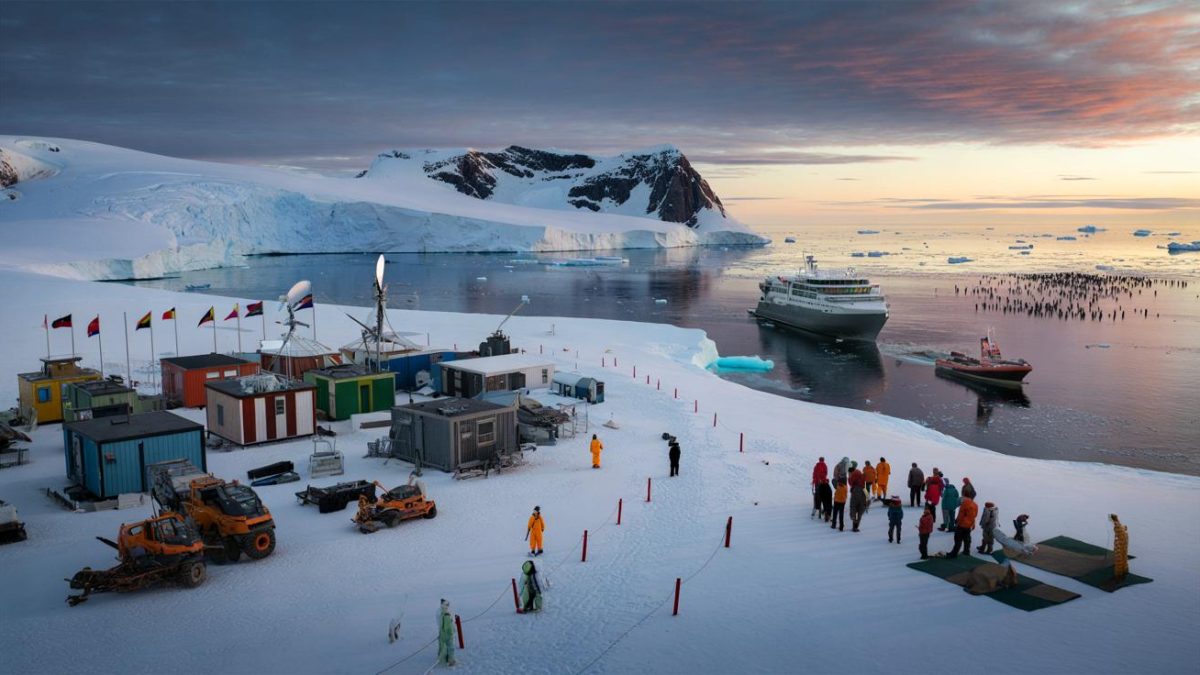
Stepping onto the frozen landscapes of Antarctica is a dream for many adventurous souls, but the reality of accessing this remote continent is far more complex than one might assume. Contrary to the persistent rumors circulating on social media, the Antarctic is not a completely forbidden territory – rather, it is a highly regulated and protected region, governed by an international agreement that aims to preserve its fragile ecosystem.
The Antarctic Treaty, signed in 1959, has established a framework for the management and governance of the continent, ensuring that its resources and environment are safeguarded for the benefit of all humanity. However, the nuances and intricacies of this agreement often get lost in the sensationalized narratives that paint Antarctica as an inaccessible, forbidden land.
Navigating the Restrictions: The Antarctic Treaty’s Regulations
The Antarctic Treaty is a comprehensive document that outlines the rules and regulations governing activities on the continent. While it does not impose a complete ban on access, it does establish a set of stringent guidelines that must be followed by anyone wishing to visit or conduct research in Antarctica.
One of the key principles of the treaty is the commitment to the peaceful use of the continent, with military activities strictly prohibited. Additionally, the treaty mandates the preservation of the Antarctic environment, with strict protocols in place to prevent the introduction of non-native species and to minimize the impact of human activities on the delicate ecosystem.
Compliance with these regulations is closely monitored by the signatory nations, who work together to ensure that the Antarctic is managed in a responsible and sustainable manner.
Divided Zones: The Antarctic Landscape
The Antarctic continent is not a homogeneous landmass, but rather a complex mosaic of different zones, each with its own set of rules and restrictions. The treaty has established a system of “Antarctic Specially Protected Areas” (ASPAs) and “Antarctic Specially Managed Areas” (ASMAs), which are designated to protect sensitive environments or to regulate specific activities, such as scientific research or tourism.
These zoning regulations ensure that the most fragile and ecologically significant areas of Antarctica are afforded the highest levels of protection, while still allowing for responsible and sustainable human activities in other regions of the continent.
Understanding the nuances of these zoning regulations is crucial for anyone seeking to visit or conduct research in Antarctica, as the rules and requirements can vary greatly depending on the specific location and the nature of the planned activities.
Economic Interests and the Race for Resources
Despite the strict environmental regulations in place, Antarctica is still the subject of intense economic and geopolitical interest. The continent is believed to hold vast reserves of natural resources, including minerals, oil, and gas, as well as significant populations of marine life, such as krill, which are a valuable commercial commodity.
The competition for access to these resources has led to ongoing tensions and disputes among the signatory nations of the Antarctic Treaty, with each country jockeying for a larger share of the continent’s economic potential. This dynamic has the potential to complicate the delicate balance of environmental protection and scientific research that the treaty aims to maintain.
Navigating these economic and political considerations is a constant challenge for the stewards of the Antarctic, as they seek to balance the needs of science, conservation, and sustainable resource use.
Tourism and the Allure of the “Forbidden” Continent
Despite the strict regulations in place, the Antarctic has become a popular destination for adventure tourism, with cruise ships and expedition vessels ferrying visitors to the continent’s remote and awe-inspiring landscapes. However, even this form of human activity is subject to a complex set of rules and guidelines designed to minimize the impact on the environment.
Tourists wishing to visit Antarctica must adhere to strict protocols, such as pre-trip biosecurity measures, limits on the number of visitors per site, and the requirement to be accompanied by experienced guides and expedition leaders. These regulations are aimed at preserving the pristine nature of the continent and ensuring that the delicate balance of its ecosystem is not disrupted by the influx of human visitors.
The allure of the “forbidden” continent, however, continues to captivate the public’s imagination, fueling the persistence of the myth that Antarctica is completely off-limits to the average traveler. This misconception, while understandable, fails to recognize the nuances and complexities of the Antarctic’s governance and the ongoing efforts to balance environmental protection with responsible human activity.
The Antarctic and the Global Climate Challenge
The Antarctic continent is not just a remote and isolated landmass; it is a critical component of the global climate system, playing a crucial role in regulating the planet’s temperature and weather patterns. The melting of the Antarctic ice sheets, driven by the effects of climate change, has profound implications for the entire world, with rising sea levels threatening coastal communities and ecosystems around the globe.
The governance of the Antarctic, therefore, has broader implications for the global fight against climate change. The success or failure of the Antarctic Treaty in preserving the continent’s environment and resources can serve as a barometer for the world’s ability to come together and address the urgent challenges facing our planet.
As such, the ongoing debates and discussions surrounding the management of the Antarctic have the potential to provide valuable insights into the complexities and challenges of global climate diplomacy, offering lessons and strategies that can be applied to other pressing environmental issues facing the world.
| Key Regulations of the Antarctic Treaty | Description |
|---|---|
| Peaceful Use | The Antarctic is designated for peaceful purposes only, with military activities strictly prohibited. |
| Environmental Protection | Strict protocols are in place to prevent the introduction of non-native species and minimize human impact on the fragile ecosystem. |
| Scientific Research | The treaty promotes and facilitates international scientific collaboration and research in Antarctica. |
| Territorial Claims | The treaty does not recognize any nation’s claims of sovereignty over Antarctic territory, and it prohibits new claims from being made. |
“The Antarctic Treaty has been remarkably successful in maintaining the continent as a continent of peace and science. However, the treaty is now facing new challenges, such as the increasing impacts of climate change and growing economic interests in the region.”
– Dr. Rintaro Tamaki, Antarctic Policy Analyst
Also Read
| Zones of the Antarctic Continent | Description |
|---|---|
| Antarctic Specially Protected Areas (ASPAs) | These are the most ecologically sensitive areas of the continent, where human activities are strictly limited or prohibited. |
| Antarctic Specially Managed Areas (ASMAs) | These are areas where human activities, such as scientific research and tourism, are carefully regulated to minimize environmental impact. |
| Unprotected Zones | Areas of the continent that are not designated as ASPAs or ASMAs, where certain activities may be permitted with the proper protocols and oversight. |
“The zoning system established by the Antarctic Treaty is crucial for protecting the continent’s delicate ecosystems, but it also requires a delicate balance between environmental preservation and responsible human activities, such as scientific research and sustainable tourism.”
– Dr. Emilia Gutiérrez, Environmental Scientist specializing in Antarctic affairs
The Antarctic may be a remote and seemingly untouchable continent, but its governance is a complex and nuanced affair, shaped by a delicate balance of environmental protection, scientific exploration, and economic interests. While the persistent myth of the “forbidden continent” may add to the allure of this icy wonderland, the reality is that the Antarctic is a highly regulated and carefully managed region, with a system of rules and protocols designed to preserve its fragile ecosystem for generations to come.
FAQ
Is it true that the Antarctic is completely off-limits to visitors?
No, the Antarctic is not completely off-limits. While there are strict regulations and protocols in place, the continent is open to visitors, including adventure tourists, as long as they comply with the requirements set forth by the Antarctic Treaty.
What are the main restrictions on accessing the Antarctic?
The main restrictions include the need for proper permits, adherence to environmental protection protocols, limits on the number of visitors per site, and the requirement to be accompanied by experienced guides and expedition leaders.
Can anyone visit the Antarctic for tourism purposes?
Yes, but there are strict regulations in place. Tourists must book their trips through licensed tour operators and follow all the necessary protocols and guidelines to minimize the impact on the environment.
What is the purpose of the Antarctic Treaty?
The Antarctic Treaty was established in 1959 to ensure the peaceful and responsible use of the continent, with a focus on scientific research, environmental protection, and the prevention of military activities.
How are the different zones of the Antarctic continent regulated?
The Antarctic continent is divided into different zones, including Antarctic Specially Protected Areas (ASPAs) and Antarctic Specially Managed Areas (ASMAs), each with its own set of rules and restrictions to safeguard the most ecologically sensitive areas.
What are the economic interests in the Antarctic?
The Antarctic is believed to hold significant reserves of natural resources, such as minerals, oil, and gas, as well as valuable marine life like krill. This has led to ongoing disputes and tensions among the signatory nations of the Antarctic Treaty as they compete for access to these resources.
How does the Antarctic Treaty address the challenges of climate change?
The Antarctic continent plays a crucial role in regulating the global climate, and the success of the Antarctic Treaty in preserving the continent’s environment and resources has broader implications for the world’s efforts to address the urgent challenges of climate change.
Are there any plans to revise or update the Antarctic Treaty?
The Antarctic Treaty is regularly reviewed and updated by the signatory nations to address new challenges and emerging issues, such as the increasing impacts of climate change and growing economic interests in the region. These ongoing discussions and negotiations will shape the future governance of the continent.