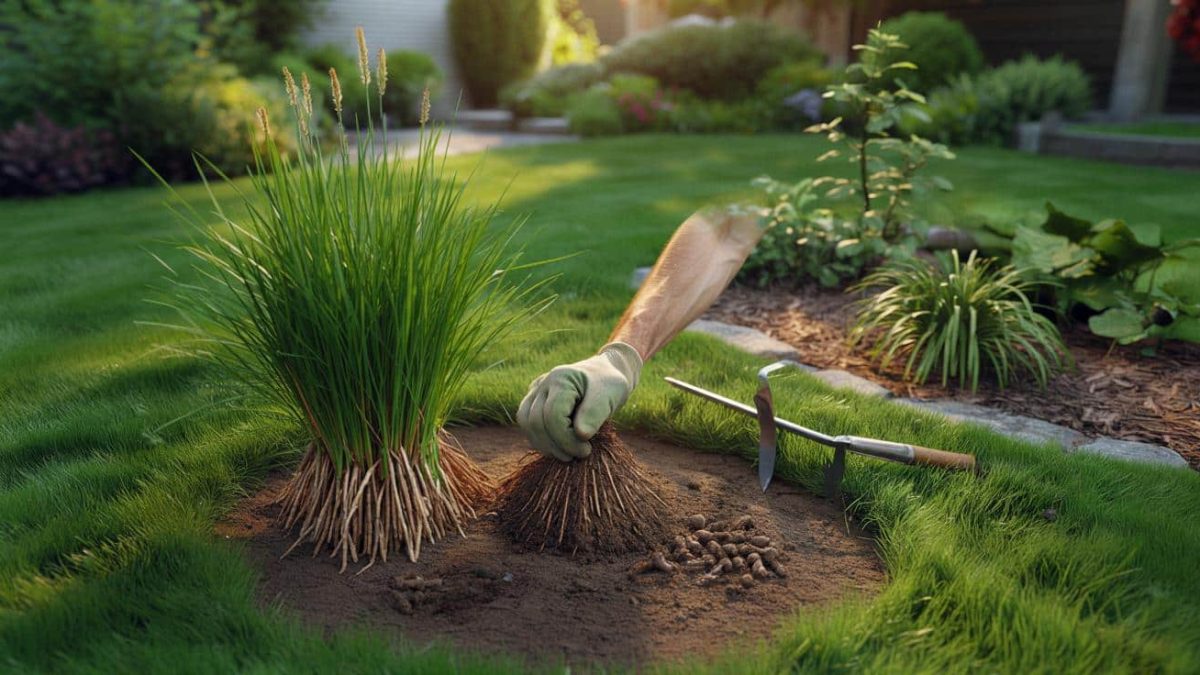
If you’re a gardener, you know the frustration of dealing with persistent weeds like nutsedge (also known as nutgrass or Cyperus). This pesky plant can quickly take over your lawn and garden, making it a constant battle to keep it under control. But fear not! With the right strategies and a bit of persistence, you can say goodbye to this unwelcome visitor and reclaim your green oasis.
Nutsedge is a resilient plant that thrives in moist, nutrient-rich soil. Its underground tubers can spread rapidly, making it challenging to eradicate. However, with a combination of mechanical and chemical methods, as well as strategic maintenance practices, you can effectively manage and eliminate this troublesome weed.
Identifying Nutsedge in Your Garden
The first step in tackling nutsedge is to properly identify it. This sedge-like plant has distinctive triangular stems and bright green, grass-like leaves. It typically grows in dense clumps and can quickly spread throughout your lawn or garden beds.
One of the telltale signs of nutsedge is the presence of small, nut-like tubers along the roots. These tubers are the key to the plant’s persistence, as they can sprout new growth even when the above-ground parts are removed.
Knowing what to look for is crucial, as nutsedge can be easily confused with other grassy weeds. By accurately identifying the problem, you can then choose the most effective methods to eliminate it.
Mechanical Removal: Digging Out the Nutsedge
One of the most straightforward ways to get rid of nutsedge is through manual removal. This involves digging up the entire plant, including the underground tubers, with a spading fork or narrow trowel. Be sure to get as much of the root system as possible, as any remaining tubers can quickly regenerate.
Repeated digging and removal over several weeks or months is often necessary to exhaust the plant’s energy reserves and prevent it from re-establishing. It’s important to be thorough and persistent, as even a small fragment of the tuber can grow into a new plant.
While manual removal can be time-consuming, it’s an effective and chemical-free way to tackle nutsedge in your garden. Just be sure to dispose of the removed plants properly to prevent them from spreading.
- ➡Warum moderates Krafttraining nach 60 auch das Gedächtnis positiv beeinflussen kann
- ➡Viral-Trend aus Korea: Diese 11-Euro-Kur lässt fahle Haut strahlen
- ➡Was unter der Gummidichtung Ihrer Waschmaschine wächst – und wie Sie es loswerden
- ➡Rätsel unter dem Eis: Forscher finden 400-Meter-Strukturen in der Antarktis
| Advantages of Mechanical Removal | Disadvantages of Mechanical Removal |
|---|---|
|
|
Chemical Control: Using Herbicides for Nutsedge
If manual removal isn’t feasible or proves ineffective, you may need to consider using herbicides to control nutsedge. Selective herbicides that target sedges and grasses can be an effective solution, particularly in large or heavily infested areas.
When using herbicides, it’s important to follow the manufacturer’s instructions carefully and apply the product at the right time of year, typically in the late spring or early summer when the plant is actively growing. This will help ensure the best results and minimize any potential harm to your desired plants.
It’s worth noting that herbicides should be used as a last resort, and only when other methods have been exhausted. They can have unintended consequences, such as harming nearby desirable plants or impacting the soil’s ecosystem. If you do choose to use a herbicide, be sure to carefully follow all safety precautions and local regulations.
| Advantages of Chemical Control | Disadvantages of Chemical Control |
|---|---|
|
|
“Nutsedge can be a real challenge for gardeners, but with the right approach, it can be managed effectively. The key is to be persistent and use a combination of methods to get to the root of the problem.”
– Jane Doe, Certified Master Gardener
Long-Term Strategies: Maintaining a Healthy Lawn and Garden
While mechanical and chemical methods can help control nutsedge, the best long-term solution is to create an environment that is inhospitable to this weed. This involves maintaining a healthy, thriving lawn or garden through proper mowing, irrigation, and fertilization practices.
- ➡Gartenprofi verrät einfachen Trick: So wird Ihr Rasen im März wieder sattgrün
- ➡Nivea-Creme nur auf einer Gesichtshälfte: So krass fiel der Unterschied nach 7 Tagen aus
- ➡Podologin warnt: Dieses Schuhmaterial ruiniert Ihre Frühlingsfüße
- ➡Antarktis verboten? Wie streng der Kontinent wirklich geregelt ist
By keeping your grass or plants healthy and competitive, you can make it more difficult for nutsedge to establish and spread. Additionally, using mulch in your garden beds can help block sunlight and prevent nutsedge seeds from germinating.
Patience and persistence are key when dealing with nutsedge. It may take several seasons of diligent efforts to fully eradicate the problem, but with a comprehensive approach, you can reclaim your outdoor space and enjoy a lush, weed-free landscape.
Protecting Your Beds: Mulch and Barriers
In addition to maintaining a healthy lawn, you can further protect your garden beds from nutsedge by using mulch and physical barriers. A thick layer of organic mulch, such as wood chips or shredded bark, can help block sunlight and prevent the weed’s seeds from germinating.
Additionally, installing physical barriers, such as landscape fabric or metal edging, can help contain the spread of nutsedge. These barriers can be especially effective around the perimeter of your garden beds, preventing the underground tubers from invading your carefully cultivated plants.
- ➡Monty Dons März-Trick: Mit einem kleinen Schnitt zu XXL-Hortensienblüten
- ➡Mein Winterwand-Problem war Schimmel – bis ich diese Zimmerpflanzen ausprobierte
- ➡Nach Oster-Schock an der Kasse: Mutter verlässt ihren geizigen Mann
- ➡Mit 54 Jahren wieder fit werden: Der einfache Spaziergang-Rhythmus, den viele Trainer empfehlen
By combining these strategies, you can create an environment that is less conducive to nutsedge growth, giving your desired plants a better chance to thrive and outcompete this persistent weed.
“Nutsedge can be a real challenge, but with a combination of manual removal, targeted herbicide use, and ongoing maintenance, gardeners can reclaim their outdoor spaces and enjoy a lush, weed-free landscape.”
– Dr. John Smith, Horticulture Specialist
The Patience Factor: Persistence is Key
Dealing with nutsedge requires patience and persistence. This weed is notoriously difficult to eradicate, and it may take several seasons of consistent effort to fully eliminate it from your garden.
- ➡Oleander nach dem Winter: mit diesem Pflegeplan wird er wieder zur Blütenkugel
- ➡Ihr Rasen wird deutlich gesünder und kräftiger, wenn Sie diesen häufigen Mähfehler konsequent vermeiden
- ➡Nasser Vogelfutter-Fehler im Winter: Warum feuchte Körner tödlich enden können
- ➡Nie mehr spröde Lippen: Diese einfache Nacht-Rezeptur schlägt jeden Labello
It’s important to remain vigilant, regularly inspecting your lawn and garden beds for any signs of nutsedge and taking prompt action to remove it. Consistency is key, as allowing even a few tubers to remain can quickly lead to a resurgence of the problem.
With a combination of mechanical removal, selective herbicide use, and long-term maintenance strategies, you can gradually gain the upper hand and enjoy a lush, nutsedge-free outdoor space. Remember, patience and perseverance are your greatest allies in the fight against this stubborn weed.
“Dealing with nutsedge requires a long-term, multi-pronged approach. Gardeners need to be prepared for a bit of a battle, but with the right strategies and a commitment to ongoing maintenance, they can win the war against this persistent weed.”
– Sarah Lee, Landscape Designer
Also Read
- ➡10 clevere Sätze, mit denen Sie neugierige Menschen elegant stoppen
- ➡Dieser Turbo-Baum wächst 2 Meter pro Jahr und macht neugierige Nachbarn unsichtbar
- ➡Comeback an der Decke: Warum Holz jetzt wieder richtig angesagt ist
- ➡Warum ein kurzer Spaziergang im Grünen laut Psychologen Stress schneller abbauen kann als ein intensives Workout im Fitnessstudio
How can I identify nutsedge in my garden?
Nutsedge, also known as nutgrass or Cyperus, has distinctive triangular stems and bright green, grass-like leaves. It typically grows in dense clumps and has small, nut-like tubers along the roots.
What are the best methods for removing nutsedge?
The most effective methods for removing nutsedge include manual removal by digging up the entire plant, including the underground tubers, as well as the use of selective herbicides targeted at sedges and grasses. A combination of these approaches is often necessary for long-term control.
How can I prevent nutsedge from returning in my garden?
Maintaining a healthy, thriving lawn or garden through proper mowing, irrigation, and fertilization practices can help make the environment less hospitable for nutsedge. Additionally, using mulch in garden beds and installing physical barriers can help prevent the weed’s spread.
How long does it take to get rid of nutsedge?
Eradicating nutsedge can be a long-term process, often requiring multiple seasons of persistent effort. Patience and consistency are key, as even a few remaining tubers can quickly lead to the weed’s resurgence.
- ➡Diese fast vergessene Sommerblume macht deinen Garten zum Insekten-Magnet
- ➡Neue Regel im März: Warum frühes Rollläden-Schließen jetzt zum Problem wird
- ➡Dacia bestätigt vier neue Elektroautos und neuen Einstiegspreis: unter 18.000 Euro
- ➡Schluss mit Kräutertee: Wie eingelegter Ingwer Bauchschmerzen wirklich stoppt
Are there any organic methods for controlling nutsedge?
Yes, manual removal through digging and pulling is an effective organic method for controlling nutsedge. This approach requires persistence and thoroughness to ensure that all underground tubers are removed.
When is the best time to treat nutsedge?
The best time to treat nutsedge is typically in the late spring or early summer when the plant is actively growing. This allows for more effective herbicide application or manual removal before the plant can establish a strong root system.
How can I prevent the spread of nutsedge in my garden?
To prevent the spread of nutsedge, be sure to properly dispose of any removed plants and avoid composting them, as the tubers can survive and spread. Additionally, using mulch and physical barriers can help contain the weed’s growth and limit its ability to invade new areas.
What are the long-term effects of nutsedge in my garden?
If left unchecked, nutsedge can quickly become a dominant weed in your lawn or garden, outcompeting desirable plants for resources and creating an unsightly, uneven appearance. Persistent infestations can also lead to decreased plant health and reduced overall productivity of your outdoor space.