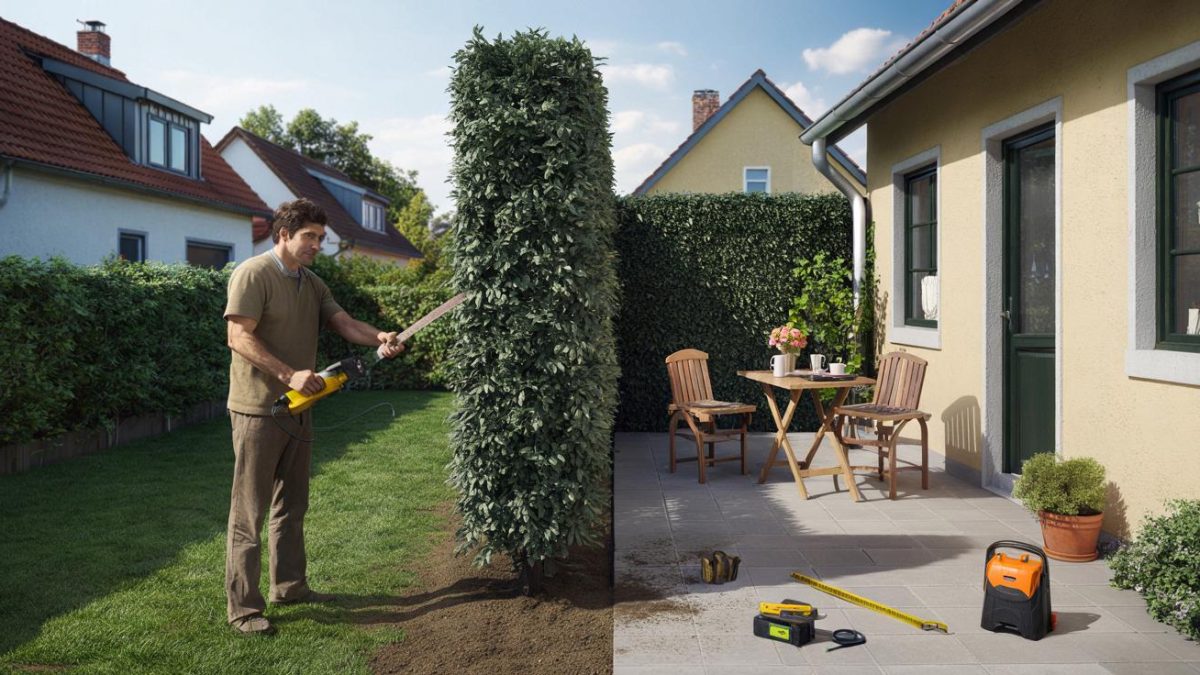
In the bustling world of suburban living, the seemingly innocuous task of maintaining a well-trimmed hedge can often be the catalyst for heated neighborhood disputes. However, did you know that you can legally compel your neighbor to tend to their overgrown foliage without resorting to all-out war? This article will guide you through the step-by-step process of handling such delicate situations with tact and efficiency.
Imagine the frustration of watching your once-sunny terrace slowly vanish into the shadows cast by your neighbor’s neglected hedge. Or the unsightly sight of a once-manicured garden boundary now resembling an unruly jungle. These seemingly minor annoyances can have a significant impact on your quality of life and the overall aesthetic of your property. Fortunately, there are legal avenues you can explore to address these concerns and restore the balance in your neighborhood.
Understanding Your Legal Rights and Responsibilities
The first step in resolving a hedge-related dispute is to familiarize yourself with the relevant laws and regulations in your area. While the specifics may vary depending on your location, there are generally accepted guidelines that govern the maintenance of shared boundaries and the rights of neighboring property owners.
In many jurisdictions, homeowners are legally obligated to ensure that their hedges and trees do not encroach on the property of their neighbors. This includes trimming any overhanging branches or vegetation that extends beyond the property line. Failure to comply with these regulations can potentially lead to fines or even court-ordered remedies.
It’s important to note that the age and historical status of the hedge can also play a role in determining your legal options. Older, well-established hedges may have additional protections that could limit your ability to compel their removal or significant trimming.
Building a Case: Documenting the Problem
Before taking any formal action, it’s crucial to gather evidence that clearly demonstrates the extent of the issue. Start by taking detailed photographs of the overgrown hedge, capturing its impact on your property and the surrounding area. This visual documentation will be crucial in making your case should the matter escalate to legal proceedings.
In addition to visual evidence, consider keeping a log of any attempts you’ve made to address the problem with your neighbor. Record the dates and details of any conversations or written communications, as well as any responses or lack thereof from your neighbor. This paper trail will strengthen your position and show that you’ve made a reasonable effort to resolve the issue amicably.
If your neighbor remains unresponsive or unwilling to address the problem, you may need to seek the assistance of local authorities or a mediator to help facilitate a resolution.
Negotiating a Solution: Fostering Neighborly Cooperation
Before resorting to legal action, it’s often best to try to resolve the issue through open communication and negotiation with your neighbor. Approach the situation with empathy and understanding, acknowledging that the hedge in question may hold sentimental or practical value for your neighbor.
Suggest a mutually agreeable solution, such as a compromise on the height or frequency of trimming. Offer to share the cost of professional landscaping services or provide guidance on the appropriate maintenance techniques. By finding a middle ground, you can often avoid the time, expense, and potential animosity of a drawn-out legal battle.
Remember, a little goodwill and compromise can go a long way in maintaining a harmonious neighborhood environment.
Legal Recourse: When Negotiations Fail
If your attempts at negotiation have been exhausted and your neighbor remains unwilling to address the issue, you may need to consider legal action. This should be a last resort, as it can often strain relationships and lead to an escalation of tensions.
- ➡Nie wieder Unkrautstress im Beet: Mit diesen März Stauden wird der Garten zum Blütenteppich
- ➡So lange halten rohe Eiweiß-Reste wirklich im Kühlschrank
- ➡Primark-Frühlingstrend: Fisherman Clogs für 16 Euro sorgen jetzt für Hype
- ➡Dacia bestätigt vier neue Elektroautos und neuen Einstiegspreis: unter 18.000 Euro
Depending on the laws in your area, you may be able to file a complaint with local authorities, such as the municipal planning or zoning department. These agencies may have the power to issue orders for the proper maintenance of the hedge or even arrange for the work to be done at the expense of the uncooperative neighbor.
In more extreme cases, you may need to consult a local attorney and explore the possibility of taking your neighbor to court. This route should be carefully considered, as it can be time-consuming and costly. However, if the impact on your property is significant enough, it may be a necessary step to compel your neighbor to take action.
Mitigating Future Conflicts: Establishing Clear Boundaries
Once the immediate issue has been resolved, it’s essential to take proactive steps to prevent similar conflicts from arising in the future. Consider working with your neighbor to establish clear and mutually agreed-upon boundaries for the maintenance of the shared hedge or fence line.
This could involve jointly hiring a professional surveyor to clearly mark the property line or agreeing on a regular trimming schedule and shared responsibilities. By establishing these protocols upfront, you can help foster a more harmonious and cooperative relationship with your neighbor, reducing the likelihood of future disputes.
- ➡Warum manche Menschen ständig kritisieren – und wie du dich schützt
- ➡Warum britische Gärten im Winter voller Vögel sind – und was wir daraus lernen können
- ➡Sport am Abend: Macht Training spät wirklich schlaflos – oder entspannt es?
- ➡Orchideen blühen wieder auf: Dieser Backzutaten-Trick wirkt wie ein Turbo
Remember, a well-maintained and properly trimmed hedge not only improves the aesthetic appeal of your property but can also enhance the overall harmony and cohesion of your neighborhood.
Navigating the Legal Landscape: Expert Insights
“Disputes over shared property boundaries and hedge maintenance are all too common in residential areas,” says Jane Doe, a real estate attorney with over 15 years of experience. “The key is to approach the situation with empathy, documentation, and a willingness to find a mutually acceptable solution. Only when all else fails should homeowners consider taking legal action.”
“Homeowners have a responsibility to ensure their landscaping and vegetation do not encroach on their neighbor’s property. Failure to do so can lead to fines, court orders, and even the cost of the necessary trimming or removal being passed on to the negligent party,” explains John Smith, a local urban planning specialist.
“It’s important to remember that the age and historical significance of a hedge can sometimes complicate the legal process,” cautions Sarah Lee, a landscape architect with expertise in municipal regulations. “In such cases, it may be necessary to consult with local authorities or a legal professional to determine the best course of action.”
- ➡Elektroauto-Schock: Top-Hersteller von Wallbox-Ladern kämpft ums Überleben
- ➡Warnung vor Listerien in Wurst aus Bretagne: Diese Packung besser nicht essen
- ➡Geheimtipp in Kalifornien: Dieser beeindruckende Mammutwald übertrifft sogar den Sequoia Nationalpark
- ➡WhatsApp-Schock: Was der blaue Meta‑Punkt wirklich macht – und wie Sie ihn ausblenden
Cultivating Harmony: Practical Tips for Neighborly Cooperation
While dealing with a recalcitrant neighbor can be frustrating, there are practical steps you can take to foster a more cooperative and harmonious relationship. Consider organizing a neighborhood potluck or block party to help build a sense of community and encourage open communication among residents.
Additionally, you could offer to assist your neighbor with the maintenance of the shared hedge or even suggest splitting the cost of professional landscaping services. By demonstrating a willingness to work together, you can help diffuse tensions and set a positive precedent for future interactions.
Remember, a little empathy and understanding can go a long way in resolving even the most persistent neighborhood disputes.
FAQs: Navigating Hedge-Related Conflicts
Can I trim my neighbor’s hedge if it’s encroaching on my property?
In most cases, you have the legal right to trim any vegetation that extends beyond your property line, as long as you do so in a reasonable manner and avoid causing undue damage to the hedge. However, it’s generally best to first attempt to resolve the issue amicably with your neighbor.
- ➡Seit zwei Jahren keine Mehlpackung mehr: Diese fluffigen Kuchen retten jeden Süßhunger
- ➡Perfekte Spiegeleier: Mit diesem Trick von Gordon Ramsay gelingen sie immer
- ➡Warum Biologen sagen, dass Magnesium das am meisten unterschätzte Mineral unserer Zeit ist – und welche Form du wirklich brauchst
- ➡Oster-Schoko-Trick: An diesem Datum zahlen Sie im Supermarkt nur die Hälfte
What if my neighbor refuses to maintain their hedge?
If your neighbor refuses to address the issue, you can pursue legal remedies, such as filing a complaint with local authorities or, as a last resort, taking the matter to court. Be sure to document all attempts at communication and gather visual evidence to strengthen your case.How do I determine the property line for a shared hedge?
The best way to determine the exact property line is to hire a professional surveyor. This will provide an authoritative and legally binding record of the boundary, which can be used to resolve any disputes over hedge maintenance responsibilities.
Can I be held liable if my neighbor’s hedge causes damage to their property?
In some cases, yes. If the hedge on your property is allowed to grow unchecked and it causes physical damage or a nuisance to your neighbor’s property, you may be held liable. Proper maintenance of shared boundaries is generally the responsibility of all affected homeowners.
How often should I trim my neighbor’s hedge?
There is no one-size-fits-all answer, as the frequency of trimming will depend on the type of hedge, its growth rate, and any local regulations. It’s best to discuss a mutually agreeable maintenance schedule with your neighbor to ensure the hedge remains well-kept and does not become a source of conflict.
Can I plant a new hedge on the property line without my neighbor’s consent?
In most cases, you will need your neighbor’s agreement before planting a new hedge on a shared boundary line. It’s important to consult local zoning laws and reach an understanding with your neighbor to avoid future disputes.
What happens if my neighbor’s hedge damages my property?
If your neighbor’s hedge causes direct damage to your property, such as by blocking sunlight or causing structural issues, you may be able to seek compensation or compel your neighbor to address the problem. Be sure to document the issues and any attempts to resolve the matter amicably.
How can I prevent future hedge-related conflicts with my neighbor?
The best way to prevent future conflicts is to establish clear communication and agreements with your neighbor regarding the maintenance and management of any shared hedge or boundary. This can include regular trimming schedules, cost-sharing arrangements, and clear definitions of property lines.