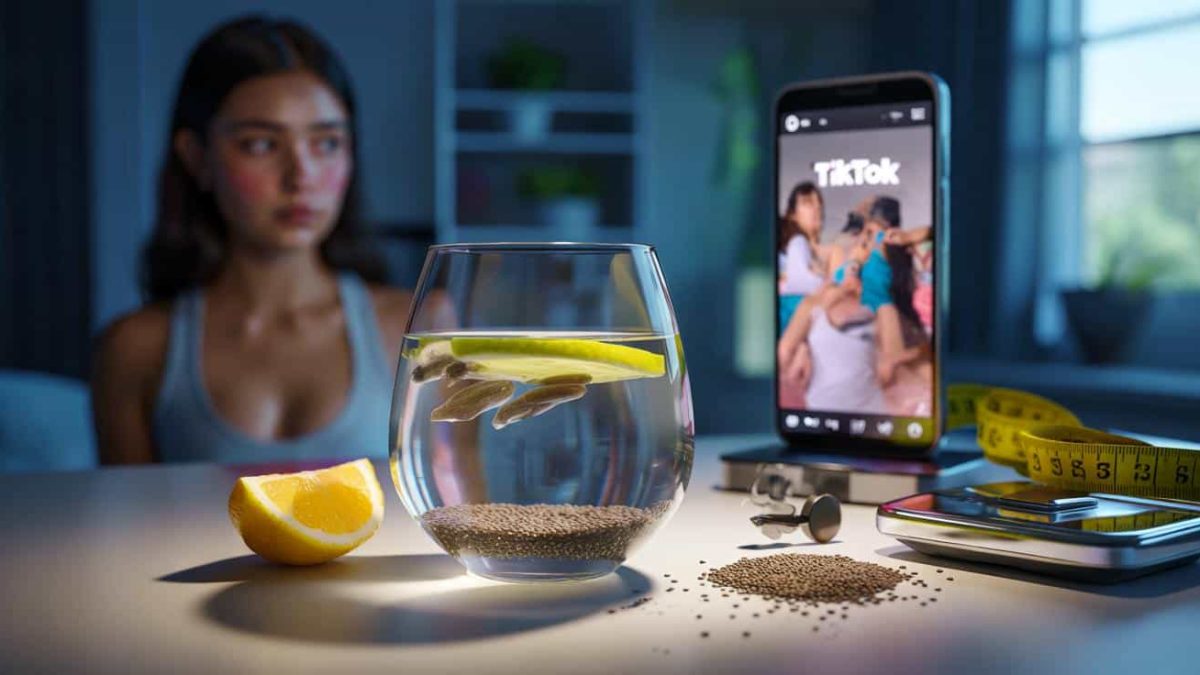
In the ever-evolving landscape of social media trends, the latest craze to sweep TikTok is the so-called “Tadpole Water” – a curious concoction that claims to aid weight loss. As the viral videos promise rapid slimming results, it’s natural to wonder: just how effective and, more importantly, how safe is this new health fad?
The “Tadpole Water” phenomenon has captured the attention of Gen Z users, who have flooded the platform with enthusiastic testimonials about the drink’s supposed weight-loss benefits. But behind the alluring promises, there lurks a deeper question: is this trend genuinely a game-changer in the world of dieting, or is it merely another fleeting social media sensation?
Unraveling the Mystery of “Tadpole Water”
The name “Tadpole Water” may evoke a sense of curiosity, if not outright confusion. In reality, this concoction is a simple mixture of chia seeds and water – a combination that has long been touted for its potential health benefits. However, the recent TikTok craze has elevated this humble drink into a full-blown weight-loss phenomenon.
Proponents of “Tadpole Water” claim that the chia seeds, when combined with water, can help suppress appetite, boost metabolism, and even flush out toxins from the body. The gelatinous texture of the chia seeds, they argue, creates a feeling of fullness that can lead to reduced caloric intake and, ultimately, weight loss.
While the concept of using chia seeds for weight management is not entirely new, the viral nature of “Tadpole Water” has brought it into the mainstream spotlight, sparking a widespread discussion about the potential benefits and risks of this trend.
The Science Behind “Tadpole Water”
At the heart of the “Tadpole Water” craze lies the science behind chia seeds and their potential weight-loss properties. Chia seeds are rich in fiber, protein, and essential nutrients, all of which can contribute to feelings of satiety and support healthy digestion.
When chia seeds are combined with water, they undergo a process called “gelling,” where the seeds absorb the liquid and swell in size. This expanded volume can indeed create a sensation of fullness, potentially leading to reduced food intake and calorie consumption.
However, the scientific evidence on the weight-loss benefits of chia seeds is not entirely conclusive. While some studies have shown modest improvements in weight management, the long-term effects and the optimal dosage for sustained weight loss remain subject to ongoing research.
- ➡Warum diese 14-Pfund-Primark-Clogs jetzt alle haben wollen
- ➡Unkraut zwischen Pflasterfugen: Warum Sie vor Mitte Mai nichts machen sollten
- ➡Action-Geheimtipp für 1,99 Euro: Dieses Mini-Kit bringt deine März-Aussaat endlich zum Erfolg
- ➡Sonnenranking sorgt für Staunen: Reims mischt plötzlich ganz vorne mit
Weighing the Risks and Rewards
As with any health trend, it’s essential to approach “Tadpole Water” with a critical eye and a balanced perspective. While the anecdotal testimonials of TikTok users may be compelling, it’s crucial to consider the potential risks and limitations of this approach.
One of the primary concerns with “Tadpole Water” is the possibility of overconsumption. Chia seeds, when taken in excess, can lead to gastrointestinal issues such as bloating, constipation, and even intestinal blockages. Additionally, the drink’s diuretic properties may result in dehydration if not properly monitored.
Furthermore, the reliance on social media influencers and user-generated content as the primary source of information raises questions about the accuracy and reliability of the claims surrounding “Tadpole Water.” It’s essential to seek guidance from qualified healthcare professionals before incorporating this or any other weight-loss strategy into one’s lifestyle.
Integrating Chia Seeds Safely and Effectively
While the “Tadpole Water” trend may have sparked a renewed interest in chia seeds, it’s important to remember that these versatile seeds can be incorporated into a balanced diet in a more measured and sustainable way. Rather than relying on a single “magic” solution, a holistic approach to weight management that includes a nutritious diet, regular exercise, and a focus on overall well-being is often more effective in the long run.
Chia seeds can be a valuable addition to a healthy lifestyle, providing fiber, protein, and essential nutrients. However, it’s crucial to consume them in moderation and as part of a balanced dietary plan, rather than as a standalone weight-loss remedy.
Ultimately, the “Tadpole Water” trend serves as a reminder that we must approach health and wellness trends with a critical eye and a deep understanding of the underlying science. By separating fact from fiction, we can make informed decisions that prioritize our long-term well-being.
The Deeper Implications: Understanding Gen Z and Body Image
The viral nature of the “Tadpole Water” trend also sheds light on the broader cultural and social factors at play. The overwhelming response from Gen Z users on TikTok suggests a deep-seated preoccupation with body image and the pursuit of quick-fix solutions to achieve the “ideal” physique.
This phenomenon reflects the broader societal pressures and unrealistic beauty standards that have long plagued younger generations, particularly in the digital age. The rise of social media has amplified these concerns, often fueling a cycle of insecurity and the search for instant gratification.
While the “Tadpole Water” trend may be a manifestation of these underlying issues, it’s essential to recognize the need for a more holistic approach to body positivity, self-acceptance, and sustainable health practices. By addressing the root causes of these concerns, we can empower individuals to develop a healthier relationship with their bodies and overall well-being.
| Potential Benefits of Chia Seeds | Potential Risks of Excessive “Tadpole Water” Consumption |
|---|---|
|
|
“While chia seeds can be a beneficial addition to a healthy diet, the ‘Tadpole Water’ trend raises concerns about the potential for overconsumption and unrealistic expectations. It’s essential to approach any weight-loss strategy with caution and seek guidance from qualified healthcare professionals.”
Dr. Sarah Wilkins, Registered Dietitian and Nutrition Specialist
Also Read
- ➡Diese eine Frühjahrs-Sünde ruinierte fast meinen Pellet-Ofen
- ➡Was ein Gärtner über den richtigen Zeitpunkt zum Gießen im Sommer weiß den er selbst nie vergisst
- ➡Vergessener Atom-U-Boot-Schrotthaufen verseucht seit Jahrzehnten die Norwegische See
- ➡Oleander nach hartem Winter: mit diesen Tricks blüht er wieder üppig
As the “Tadpole Water” craze continues to captivate the attention of TikTok users, it’s crucial that we approach this trend with a balanced and informed perspective. While chia seeds can offer valuable nutritional benefits, the potential risks of overconsumption and the unrealistic expectations surrounding this “miracle” drink must be carefully considered.
“The ‘Tadpole Water’ trend is a prime example of how social media can amplify the pursuit of quick-fix solutions for complex health and wellness issues. It’s a reminder of the need to foster a more holistic and sustainable approach to body positivity and self-care.”
Dr. Emily Rosen, Clinical Psychologist and Body Image Specialist
Ultimately, the “Tadpole Water” phenomenon serves as a cautionary tale, urging us to think critically about the health claims we encounter online and to seek guidance from trusted medical professionals. By doing so, we can cultivate a healthier relationship with our bodies, our diets, and the ever-evolving landscape of social media trends.
- ➡135-Euro-Strafe wegen bellendem Schäferhund: Nachbarschaftsstreit eskaliert
- ➡3 geniale Bodendecker-Tricks: So blüht dein Garten wirklich das ganze Jahr
- ➡Diese Morgenroutine aus fünf einfachen Bewegungen hilft Menschen über 65, ihre Gelenke beweglich zu halten
- ➡Sport am Abend: Wann er gut tut – und wann er den Schlaf raubt
Frequently Asked Questions (FAQs)
What exactly is “Tadpole Water”?
“Tadpole Water” is a TikTok trend that involves mixing chia seeds with water and drinking the resulting gelatinous mixture. The name “Tadpole Water” refers to the appearance of the chia seeds in the water.
Is “Tadpole Water” an effective weight-loss solution?
The claims about “Tadpole Water” being an effective weight-loss solution are not entirely supported by scientific evidence. While chia seeds can provide some benefits for weight management when consumed as part of a balanced diet, the “Tadpole Water” trend is not a proven or sustainable weight-loss method.
Can “Tadpole Water” be harmful?
Consuming “Tadpole Water” in moderation is generally safe, but overconsumption can lead to gastrointestinal issues like bloating, constipation, and even intestinal blockages. It’s important to consume chia seeds and “Tadpole Water” in moderation and as part of a balanced diet.
How much “Tadpole Water” should I drink per day?
There is no recommended daily intake for “Tadpole Water” specifically. As a general guideline, experts suggest consuming chia seeds in moderation, typically around 1-2 tablespoons per day, as part of a balanced diet.
Can “Tadpole Water” be used as a meal replacement?
No, “Tadpole Water” should not be used as a meal replacement. It is a dietary supplement at best and should not be the sole source of nutrition. A balanced diet with a variety of nutrient-dense foods is essential for overall health and well-being.
What are the potential benefits of chia seeds?
Chia seeds are a nutritious food that can provide benefits such as promoting feelings of fullness, supporting digestive health, and offering essential nutrients like fiber, protein, omega-3 fatty acids, and antioxidants. However, the potential weight-loss benefits of chia seeds are limited and should not be overstated.
How can I safely incorporate chia seeds into my diet?
Chia seeds can be easily incorporated into a balanced diet by adding them to smoothies, yogurt, oatmeal, or baked goods. It’s important to start with small amounts and increase gradually to avoid any digestive issues. Consulting a healthcare professional can also provide guidance on the appropriate dosage and integration of chia seeds into a healthy lifestyle.
Does the “Tadpole Water” trend reflect deeper issues with body image and social media?
Yes, the overwhelming response to the “Tadpole Water” trend on TikTok highlights the deeper societal pressures and unrealistic beauty standards that have impacted younger generations, particularly in the digital age. The search for quick-fix solutions to achieve the “ideal” physique reflects a need for a more holistic approach to body positivity and self-acceptance.
- ➡Nach Palworld-Streit: Neues Survival-Game Pickmon provoziert Nintendo-Fans
- ➡Gärtner-Trick vor März: Mit diesem Nährstoff explodieren Ihre Hortensien in Blüten
- ➡Energie-Fische im Rhein: Schwimmende Turbinen sollen ganze Ortschaft versorgen
- ➡Schock beim Knabbern: Kundin findet schwarze Chips in San‑Carlo-Tüte