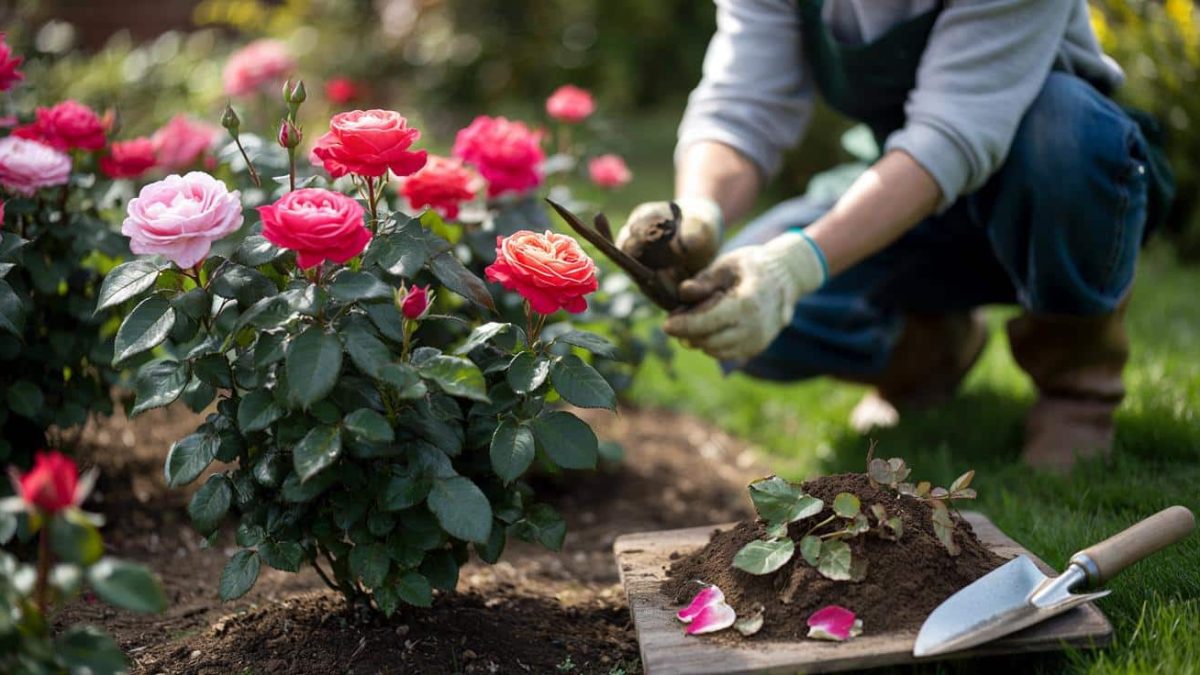
As the sun begins to shine brighter and the air grows warmer, many gardeners eagerly await the return of their beloved rose bushes. Yet, year after year, these same gardeners are often left disappointed as their once-vibrant rose beds succumb to a perplexing problem: black spots. These unsightly blemishes can quickly turn a thriving garden into a disheartening sight, leaving gardeners scratching their heads and searching for solutions.
But fear not, fellow rose enthusiasts! In this special Rosenspezial, we’ve uncovered three simple March tricks that can help you bid farewell to those pesky black spots for good. With a little know-how and some proactive care, you can ensure your rose garden remains the envy of the neighborhood all season long.
Unveil the Secrets of Black Spot Prevention
The culprit behind those dreaded black spots is a fungal disease known as Diplocarpon rosae, which thrives in warm, humid conditions. As the weather warms up in spring, this fungus can quickly spread, leaving your rose leaves spotted and wilted. But with a few strategic steps in March, you can stop this problem in its tracks.
First and foremost, it’s essential to start with clean, healthy rose plants. This means thoroughly inspecting your bushes for any signs of existing black spot, and promptly removing any affected leaves or canes. By nipping the problem in the bud, you’ll prevent the disease from spreading and gaining a foothold in your garden.
Next, it’s time to fortify your roses with a protective layer. Apply a fungicide specifically formulated for black spot control, following the instructions carefully. This will create a barrier that helps prevent the fungus from taking hold, giving your plants a fighting chance as the growing season begins.
Harness the Power of Mulch for Healthier Roses
While fungicides are an important tool in the fight against black spot, they’re not the only weapon in your arsenal. Implementing a smart mulching strategy can also go a long way in keeping your rose garden thriving.
In March, apply a 2-3 inch layer of organic mulch around the base of your rose bushes. This serves a dual purpose: it helps retain moisture in the soil, reducing the risk of drought stress, and it also acts as a barrier to prevent soil-borne fungal spores from splashing up onto the plant’s leaves during heavy rains.
Be sure to choose a high-quality mulch, such as shredded bark or wood chips, and avoid using anything that might introduce additional diseases or pests. By creating a protective layer around your rose plants, you’ll be well on your way to a healthier, more vibrant garden.
- ➡Vergessener Kraftstrauch: Warum schwarzer Holunder 2026 unsere Gärten erobert
- ➡Vergessene Power-Frucht: So locken Sie Meisen in den Garten – und vertreiben Schädlinge
- ➡Darum kann ein eingestecktes Ladegerät ohne Handy brandgefährlich sein
- ➡Neue Studie: Wie ein bisschen Käse Demenzrisiko deutlich senken kann
Prune with Purpose for Optimal Growth
Proper pruning is another key element in the fight against black spot. By removing any damaged, diseased, or dead canes from your rose bushes in March, you’ll not only improve the overall appearance of your plants but also enhance their ability to fend off fungal infections.
When pruning, be sure to make clean, angled cuts just above an outward-facing bud. This encourages the plant to grow in a more open, well-ventilated shape, which helps reduce the risk of disease. Dispose of any pruned material off-site to prevent the spread of spores back into your garden.
Remember, regular pruning isn’t just about aesthetics – it’s also a crucial step in maintaining the overall health and vigor of your rose plants. By taking the time to properly prune in March, you’ll set the stage for a summer filled with lush, vibrant blooms.
Unleash the Power of Organic Solutions
While chemical fungicides can be effective in the fight against black spot, many gardeners are increasingly turning to more natural, organic alternatives. These eco-friendly options not only help protect your roses but also contribute to the overall health of your garden ecosystem.
One such solution is the use of baking soda and horticultural oil. By creating a simple spray solution of these two ingredients, you can create a natural barrier that helps prevent the fungus from taking hold. Additionally, the oil can help smother any existing spores, providing an extra layer of protection.
Another organic option is the application of compost tea. This nutrient-rich liquid can be applied directly to the soil around your rose plants, promoting the growth of beneficial microorganisms that help ward off disease. By nurturing the overall health of your garden, you’ll be better equipped to combat black spot and other common rose ailments.
Embrace the Beauty of Disease-Resistant Varieties
If you’ve tried everything and still find yourself battling black spot year after year, it may be time to consider switching to rose varieties that are naturally more resistant to this pesky fungus. Many modern rose cultivars have been specifically bred to be more tolerant of Diplocarpon rosae, offering a hassle-free solution to your gardening woes.
When selecting disease-resistant rose varieties, look for terms like “black spot resistant” or “disease-tolerant” on the plant labels. Some popular options include the Knock Out series, Drift roses, and David Austin English Roses, all of which boast impressive resilience against common rose ailments.
- ➡Dacia plant Elektro-Offensive: Vier Stromer und Einstiegspreis unter 18.000 Euro
- ➡Warnung vor Listerien in Wurst aus Bretagne: Diese Packung besser nicht essen
- ➡Neuer It-Bag für 29,99 Euro: Dieser Promod-Sac löst die Kult-Bauchtasche ab
- ➡Make-up-Profi warnt: Auf diese Gesichtsstellen gehört fast kein Make-up
By incorporating these resilient rose varieties into your garden, you’ll not only enjoy a vibrant, healthy display of blooms but also significantly reduce the time and effort required to maintain your rose beds. It’s a win-win for the discerning gardener.
Embrace the Joys of a Thriving Rose Garden
As the adage goes, “an ounce of prevention is worth a pound of cure.” By implementing these three simple March tricks, you’ll be well on your way to a rose garden that’s the envy of the neighborhood. From strategic fungicide applications and smart mulching to targeted pruning and disease-resistant varieties, you hold the key to banishing those pesky black spots for good.
So, as you eagerly await the arrival of spring, take the time to prepare your rose beds for a season of unbridled beauty. With a little proactive care and a touch of gardening know-how, you’ll be rewarded with a lush, thriving display of roses that will bring joy to your heart and awe to your neighbors. Happy gardening!
| Common Causes of Black Spot | Preventive Measures |
|---|---|
| – Warm, humid weather conditions – Improper watering (overhead irrigation) – Poor air circulation around plants – Soil-borne fungal spores |
– Apply fungicides in early spring – Use drip or soaker hose irrigation – Prune for better air flow – Apply organic mulch around plants |
- ➡Nie mehr spröde Lippen: Diese einfache Nacht-Rezeptur schlägt jeden Labello
- ➡Chemikerin warnt: Dieser Beutel-Reis kann Ihrer Gesundheit schaden
- ➡Legendäres Internetkabel aus dem Atlantik gezogen: Wie TAT‑8 Geschichte schrieb
- ➡Vergessener Atomsarg in der Nordsee: Russisches U-Boot strahlt seit Jahrzehnten
| Disease-Resistant Rose Varieties | Key Features |
|---|---|
| – Knock Out Roses – Drift Roses – David Austin English Roses |
– Bred for improved disease tolerance – Require less maintenance – Offer a wide range of bloom colors and forms |
“The key to a thriving, disease-free rose garden is a proactive approach. By taking the right steps in early spring, you can set your plants up for success all season long.”
– Dr. Emily Gatch, Horticulture Specialist
“Mulching around the base of rose bushes is an often-overlooked but incredibly effective way to prevent black spot. It creates a physical barrier and helps maintain consistent soil moisture levels.”
Also Read
- ➡Ab 70 glücklicher als je zuvor: Warum Loslassen wichtiger ist als Fitness und Erfolg
- ➡Starke Persönlichkeit? Diese 8 Sätze verraten, wie viel Kraft in dir steckt
- ➡Diese einfache Übung für die Hüftmobilität kann laut Experten Rückenschmerzen im Alltag vorbeugen
- ➡Spider Plant oder Snake Plant: Welche Zimmerpflanze passt besser zu dir?
– Sarah Raven, Renowned Garden Designer
“Disease-resistant rose varieties take the guesswork out of rose care. They provide the same stunning beauty with a fraction of the effort, making them a smart choice for both novice and experienced gardeners.”
– Michael Marriott, Chief Rosarian at David Austin Roses
Roses are the quintessential flower of romance and beauty, but maintaining a thriving rose garden can be a challenge. With these three March tricks, however, you can bid farewell to those unsightly black spots and enjoy a summer filled with vibrant, healthy blooms. So, grab your pruners, grab your mulch, and get ready to transform your garden into a true rose-lover’s paradise.
- ➡Frühling im Garten: Warum Sie diese 3 „Unkräuter“ lieber stehen lassen sollten
- ➡Bürgeralarm in Guadeloupe: Warum dieser harmlose Insel‑Schlange die Zeit davonläuft
- ➡Der eine Trainingsfehler, der deine Sport-Erfolge heimlich zerstört
- ➡Genialer Karotten-Trick: So verhindern Sie Gabelwurzeln schon beim Säen
After all, a well-cared-for rose garden is not just a feast for the eyes – it’s a testament to your dedication and a source of endless joy. So, let’s get to work and make this year’s Rosenspezial the best one yet!
What causes black spot on roses?
Black spot is a common fungal disease that affects rose plants, caused by the fungus Diplocarpon rosae. It thrives in warm, humid conditions and can quickly spread, leading to discolored, wilted leaves.
How can I prevent black spot on my roses?
To prevent black spot, start by properly pruning your rose bushes in early spring, applying a fungicide, and mulching around the base of the plants. Additionally, choose disease-resistant rose varieties that are naturally more tolerant of black spot.
What are the best disease-resistant rose varieties?
Some of the most disease-resistant rose varieties include the Knock Out series, Drift roses, and David Austin English Roses. These varieties have been specifically bred to be more tolerant of common rose ailments like black spot.
How often should I apply fungicide to my roses?
Follow the instructions on the fungicide product, but typically, a single application in early spring, followed by monthly or bi-monthly applications throughout the growing season, is recommended to effectively prevent black spot.
Can I use organic solutions to control black spot?
Yes, there are several effective organic options for controlling black spot, such as baking soda and horticultural oil sprays, as well as the application of compost tea to the soil. These natural solutions can help create a healthy, disease-resistant environment for your rose plants.
How important is proper pruning for preventing black spot?
Proper pruning is crucial for preventing black spot, as it helps improve air circulation around the plant and removes any diseased or damaged canes that could harbor the fungus. Pruning should be done in early spring before new growth emerges.
Can mulching really help prevent black spot?
Yes, applying a 2-3 inch layer of organic mulch around the base of your rose plants can be an effective way to prevent black spot. The mulch creates a barrier that helps prevent soil-borne fungal spores from splashing up onto the leaves during heavy rains.
- ➡Giftiges Cadmium im Essen: Diese Alltagslebensmittel belasten Ihren Körper
- ➡Turbo-Baum aus Asien: Warum der Blitzturbo-Paulownia Gärtner begeistert – und Experten warnt
- ➡Geniale Frost-Trick: Mit diesem Untersetzer retten Sie Ihren Zitronenbaum
- ➡Forscher formen erstmals menschliche Eizellen aus Haut – Chance für unfruchtbare Paare?
How do I know if my rose variety is disease-resistant?
Look for terms like “black spot resistant” or “disease-tolerant” on the plant labels or descriptions when selecting rose varieties. Reputable rose growers and nurseries will typically highlight the disease-resistance of their cultivars.