In a world where energy efficiency and sustainability are top priorities, homeowners are increasingly turning to natural materials to insulate their homes. One such material that’s gaining popularity is cork – a renewable and eco-friendly alternative to traditional insulation options like fiberglass.
As the climate becomes more unpredictable, with scorching summers and frigid winters, homeowners are seeking solutions that can not only keep their homes comfortable but also reduce their environmental impact. Cork, with its unique properties, is proving to be a game-changer in the world of home insulation.
Glaswolle an Grenzen – Warum Kork eine attraktive Alternative ist
Glaswolle, long the go-to insulation material, is facing its own set of challenges. While it’s effective at trapping heat, it can also be itchy and potentially hazardous to install. Additionally, the manufacturing process for glaswolle has a significant carbon footprint, making it less appealing to eco-conscious homeowners.
In contrast, cork is a natural, renewable resource that is harvested from the bark of cork oak trees. It’s a highly effective insulator that can help regulate indoor temperatures, reducing the need for energy-intensive heating and cooling systems. Moreover, cork is naturally fire-resistant, moisture-resistant, and soundproof, making it a versatile choice for homeowners.
Kork is not only a smart choice for the environment, but it also offers practical benefits that can enhance the overall living experience. As homeowners become more aware of the advantages of cork insulation, the demand for this natural material is steadily increasing.
Wie Kork für angenehme Temperaturen sorgt
One of the key advantages of cork insulation is its ability to regulate indoor temperatures. The unique cellular structure of cork traps air pockets, creating an effective barrier against the transfer of heat and cold. This means that during the summer, cork helps to keep the interior of a home cooler, reducing the need for air conditioning. In the winter, it retains heat, minimizing the amount of energy required for heating.
This thermal efficiency translates to significant cost savings for homeowners, as they can rely less on energy-intensive HVAC systems. Additionally, the consistent temperature regulation provided by cork insulation can contribute to improved indoor air quality and overall comfort.
Homeowners who have made the switch to cork insulation often report a noticeable difference in their living spaces, with more stable temperatures and a greater sense of well-being.
Stille statt Hall – Kork als Lärmschutz
In addition to its thermal insulation properties, cork also excels at soundproofing. The cellular structure of cork effectively absorbs sound waves, reducing the transmission of noise from outside the home or between different rooms.
This feature is particularly beneficial for homeowners living in urban areas or near busy roads, where external noise can be a constant source of disruption. By incorporating cork insulation, they can create a more peaceful and tranquil living environment, shielded from the cacophony of the outside world.
The soundproofing capabilities of cork also make it an attractive option for homeowners who value their privacy and wish to minimize the transfer of sound within their own homes, such as between bedrooms or between floors.
Kork: Naturdämmstoff mit besonderer Herkunft
Cork is a remarkable natural material with a unique origin story. It is harvested from the bark of the cork oak tree, which is native to the Mediterranean region, particularly Portugal and Spain. These trees have the remarkable ability to regenerate their bark after harvesting, making cork a truly renewable resource.
The harvesting process for cork is a delicate and labor-intensive one, as the bark must be carefully removed without damaging the tree. This sustainable approach to cork production has helped to preserve the cork oak forests, which play a vital role in the local ecosystems and support the livelihoods of many communities.
Homeowners who choose cork insulation can take pride in the fact that they are supporting a centuries-old tradition of sustainable resource management, while also enjoying the practical benefits of this natural material.
Ökologisch, recycelbar, schadstoffarm
One of the key advantages of cork insulation is its exceptional environmental credentials. As a natural and renewable resource, cork is inherently sustainable, with a much lower carbon footprint compared to synthetic insulation materials like fiberglass.
Furthermore, cork is completely recyclable and biodegradable, making it an eco-friendly choice for homeowners who are committed to reducing their environmental impact. Unlike some insulation materials, cork does not contain any harmful chemicals or volatile organic compounds (VOCs), ensuring a healthier indoor environment for occupants.
By opting for cork insulation, homeowners can contribute to a more circular economy, where waste is minimized, and natural resources are used responsibly and efficiently.
Formen und Einsatzbereiche von Korkdämmung
Cork insulation comes in a variety of forms, each tailored to different application needs. From rigid cork boards to flexible cork mats, homeowners can choose the most suitable option for their specific insulation requirements.
Rigid cork boards are commonly used for wall and ceiling insulation, providing a strong and durable barrier against heat transfer. Flexible cork mats, on the other hand, are well-suited for underfloor insulation, where they can conform to the contours of the subfloor and offer effective soundproofing.
The versatility of cork insulation allows homeowners to customize their insulation strategy, ensuring optimal performance and energy efficiency throughout their homes.
Robust, feuchtebeständig und nahezu unverrottbar
In addition to its impressive thermal and acoustic properties, cork is also renowned for its exceptional durability and longevity. The cellular structure of cork makes it highly resistant to moisture, rot, and even insect damage, ensuring that the insulation remains effective for many years to come.
Unlike some synthetic insulation materials, cork does not degrade over time or lose its insulating capabilities. This long-lasting performance means that homeowners can enjoy the benefits of cork insulation for decades, without the need for frequent replacements or costly repairs.
The inherent resilience of cork also makes it a reliable choice in areas prone to high humidity or occasional water exposure, as it is able to withstand these environmental stresses without compromising its effectiveness.
Kosten: Warum der höhere Preis sich oft doch rechnet
While cork insulation may come with a slightly higher upfront cost compared to traditional insulation options, the long-term benefits often outweigh the initial investment. The energy savings generated by the superior thermal and acoustic performance of cork can translate to significant cost savings on utility bills over the lifetime of the home.
Furthermore, the durability and low-maintenance nature of cork insulation mean that homeowners are less likely to face costly replacement or repair expenses down the line. This can make the higher initial price tag a worthwhile trade-off for the added value and peace of mind that cork insulation provides.
Homeowners should consider the overall lifecycle cost of their insulation choice, taking into account not just the upfront installation but also the long-term energy efficiency and maintenance requirements. In many cases, the higher price tag of cork insulation is justified by the substantial savings and benefits it offers.
Für wen sich der Umstieg besonders lohnt
The benefits of switching to cork insulation are particularly compelling for certain types of homeowners. Those living in older homes or properties with poor insulation can see the most significant improvements in their indoor comfort and energy efficiency by making the switch.
Homeowners in temperate or extreme climate zones, where heating and cooling demands are higher, can also reap substantial savings on their utility bills by opting for the superior thermal regulation of cork insulation.
- ➡Neue Hundegesetze 2026: Warum sich Adoptanten plötzlich wie Verdächtige fühlen
- ➡Diese 5 gefährlichen Persönlichkeitszüge erhöhen deutlich das Schizophrenie-Risiko
- ➡Dieser asiatische Obstbaum trotzt jeder Dürre – Gärtner feiern ihn als Geheimtipp
- ➡Trinkst du genug? Drei simple Tricks für mehr Wasser im Alltag
Additionally, those living in urban areas or near noisy environments can greatly appreciate the soundproofing capabilities of cork, which can create a more peaceful and tranquil living space. Ultimately, the decision to switch to cork insulation should be based on the unique needs and priorities of each individual homeowner.
Worauf Bauherren bei Korkdämmung achten sollten
When it comes to incorporating cork insulation into their homes, homeowners and builders should consider a few key factors to ensure optimal performance and long-term durability.
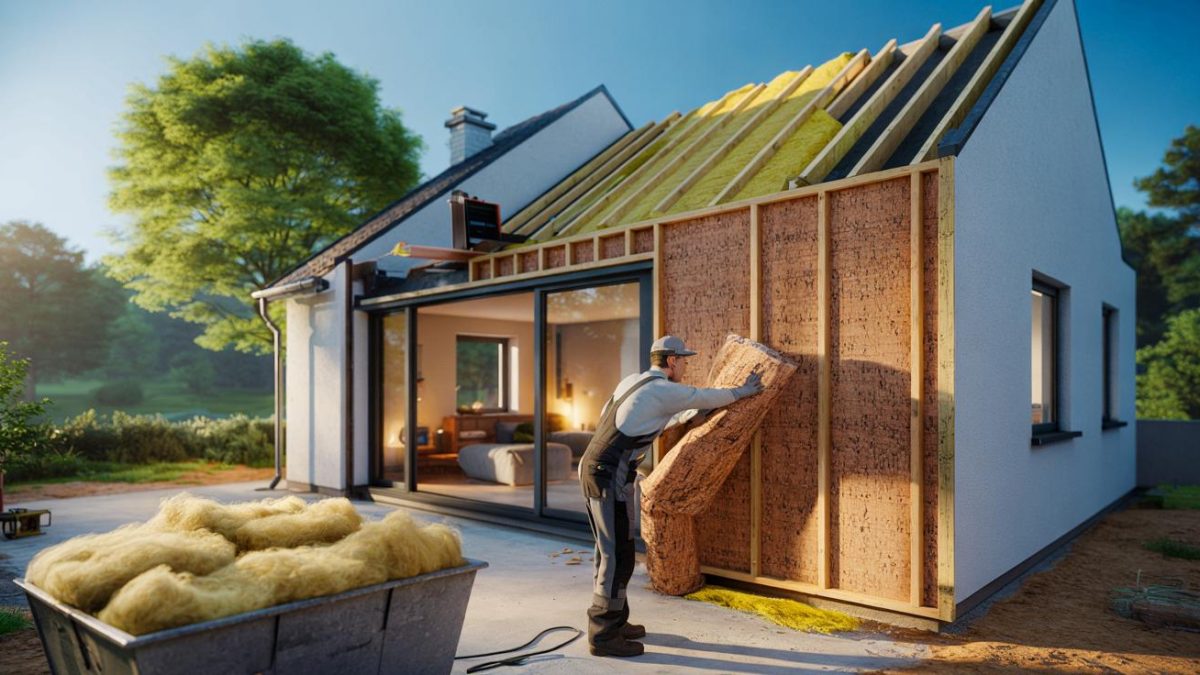
Proper installation is crucial, as any gaps or cracks in the insulation can compromise its effectiveness. It’s also important to ensure that the cork is compatible with the specific construction materials and techniques used in the home.
Additionally, homeowners should be mindful of the specific insulation requirements for their climate and building type, as the thickness and placement of the cork may need to be adjusted accordingly. By working with experienced professionals and following best practices, homeowners can maximize the benefits of cork insulation and create a more comfortable, energy-efficient living environment.
| Material | R-Value (Thermal Resistance) | Density (kg/m³) | Moisture Resistance | Soundproofing |
|---|---|---|---|---|
| Cork | 0.33 – 0.40 m²·K/W | 100 – 200 | Excellent | Excellent |
| Glaswolle | 0.30 – 0.70 m²·K/W | 10 – 50 | Limited | Good |
| Holzfaser | 0.38 – 0.50 m²·K/W | 30 – 270 | Good | Good |
When comparing the performance of different insulation materials, it’s clear that cork offers a unique combination of thermal resistance, moisture resistance, and soundproofing capabilities. This makes it a highly attractive option for homeowners seeking a comprehensive insulation solution.
“Cork is an exceptional insulation material that ticks all the boxes for modern, eco-conscious homeowners. Its natural origins, renewable nature, and impressive technical properties make it a compelling choice in today’s market.”
– Dr. Julia Schneider, Sustainable Building Materials Expert
“The demand for cork insulation has been steadily rising as homeowners become more aware of the benefits it offers in terms of energy efficiency, comfort, and environmental impact. It’s a versatile solution that can be tailored to a wide range of residential and commercial applications.”
– Michael Bauer, Architect and Building Consultant
“Cork’s unique cellular structure gives it an edge over traditional insulation materials when it comes to regulating indoor temperatures and providing effective soundproofing. These features can have a significant impact on a home’s overall livability and energy costs.”
– Sarah Hoffman, Environmental Scientist and Sustainability Advisor
As the world continues to grapple with the challenges of climate change and energy efficiency, the appeal of natural, sustainable insulation materials like cork is only growing. Homeowners who make the switch to cork insulation can not only enhance the comfort and functionality of their living spaces but also contribute to a more sustainable future.
What are the key benefits of using cork insulation?
The main benefits of cork insulation include exceptional thermal regulation, effective soundproofing, moisture resistance, and a low environmental impact. Cork is a natural, renewable material that can help homeowners reduce their energy costs and create a more comfortable, peaceful living environment.
How does the cost of cork insulation compare to other options?
While cork insulation may have a slightly higher upfront cost compared to some synthetic options, the long-term energy savings and low maintenance requirements often make it a worthwhile investment. Homeowners should consider the overall lifecycle cost and the practical benefits that cork insulation can provide.
What are the best applications for cork insulation?
Cork insulation can be used in a variety of applications, including walls, ceilings, floors, and even roofs. It is particularly well-suited for homes in temperate or extreme climates, as well as those located in urban areas or near noisy environments, where the thermal regulation and soundproofing properties of cork can be most beneficial.
- ➡Ich habe mein Fitnessstudio gekündigt und diese zehn Übungen zu Hause reichen völlig aus
- ➡Turbo-Baum für den Garten: Mit diesem Blätterriesen ist der Nachbarblick in drei Jahren weg
- ➡Primark-Frühlingstrend: Fisherman Clogs für 16 Euro sorgen jetzt für Hype
- ➡Hormus-Krise: Warum Italien und Großbritannien zittern – Deutschland noch nicht
How is cork insulation installed, and what should homeowners consider?
Proper installation is crucial for ensuring the optimal performance of cork insulation. Homeowners should work with experienced professionals who can ensure the insulation is properly sealed and integrated with the home’s construction materials. It’s also important to consider the specific insulation requirements for the climate and building type.
How does cork insulation compare to other natural insulation materials like wood fiber?
While both cork and wood fiber are natural insulation materials, they have different performance characteristics. Cork generally offers better thermal resistance, moisture resistance, and soundproofing capabilities compared to wood fiber. Homeowners should evaluate the specific needs of their home and the comparative benefits of each material.
What are the environmental benefits of using cork insulation?
Cork is a highly sustainable and eco-friendly insulation material. It is a renewable resource, and the harvesting process is designed to preserve the cork oak forests. Additionally, cork is biodegradable and does not contain any harmful chemicals or VOCs, making it a healthier choice for indoor air quality.
How long does cork insulation typically last, and what is its maintenance requirement?
Cork insulation is known for its exceptional durability and longevity. With proper installation, it can last for decades without degrading or losing its insulating properties. Cork is also highly resistant to moisture, rot, and insect damage, requiring minimal maintenance compared to some synthetic insulation materials.
What are the best practices for homeowners considering switching to cork insulation?
When considering cork insulation, homeowners should work with experienced professionals to ensure proper installation and integration with their home’s construction. They should also carefully evaluate their specific insulation needs based on factors like climate, building type, and energy efficiency goals. Proper planning and attention to detail can help homeowners maximize the benefits of cork insulation.